|
As a token of our appreciation, we're offering you a limited-time offer of 20% off a paid subscription for your first year. Here are the benefits you unlock with a paid subscription:
Thanks again for reading.
|



|
As a token of our appreciation, we're offering you a limited-time offer of 20% off a paid subscription for your first year. Here are the benefits you unlock with a paid subscription:
Thanks again for reading.
|

⚖️Is Bankruptcy Becoming AI’s Escape Hatch?Plus: Meta, Walmart and Shopify Are Building a Checkpoint for Shopping Agents
Character.AI has gone bankrupt, but the story has bigger repercussions than it looks. The chatbot platform, where users talk with customizable characters, filed for Chapter 11 with Disney as its lead bidder at $20 million. Disney would license the technology and has already hired much of the team, while the lawsuits stay behind in the bankruptcy estate. It seems like an attractive tempting exit for struggling AI companies, and a risky incentive to grow fast and break rules, betting that an acquirer will take the talent and leave the liabilities. What do you think? Also, AI agents are all the rage, they are coming and they are coming fast. Agent to agent conversation is a big portion of the internet traffic these days and now they are ready to shop. Companies have to get ready to identify these agents and make these digital transactions secure, buy how and who is leading the way? Let’s dig in. In today’s issue:
📰 AI News and Trends
Is Bankruptcy Becoming AI’s Escape Hatch?
Character.AI filed for Chapter 11 on October 12, and Disney is the lead bidder at $20 million, but don’t read that as “Disney buys an AI company.” The $20M buys a non-exclusive, perpetual license to certain IP, not the company or its legal baggage. The bigger number is the reported $180 million Disney plans to spend over three years on roughly 65 Character.AI employees it has already hired, which is nine times the price of the tech. It already named Character.AI’s former CEO, Karandeep Anand, as its first companywide CTO. That’s the new playbook for incumbents adopting AI: license the technology, hire the builders, and leave the lawsuits in the bankruptcy estate. Character.AI’s collapse could set a troubling precedent. With lawsuits pending against several AI companies, large incumbents that were late to AI now have a cheap way in: wait for a legal or financial crisis, then license the technology, hire the team, and leave the liabilities in the bankruptcy estate. The flip side is a moral hazard. If bankruptcy can end in an acquisition of the valuable parts, some AI startups may decide that growing fast and settling the legal fallout later is an acceptable bet. That’s my read of the incentives, not something this case proves. If you build on AI tools, treat vendor legal risk as part of your due diligence, and ask what happens to your workflows if your vendor disappears in 90 days. 🧰 AI Tools of The DayPrompt the page, test the pitch, score the leads.
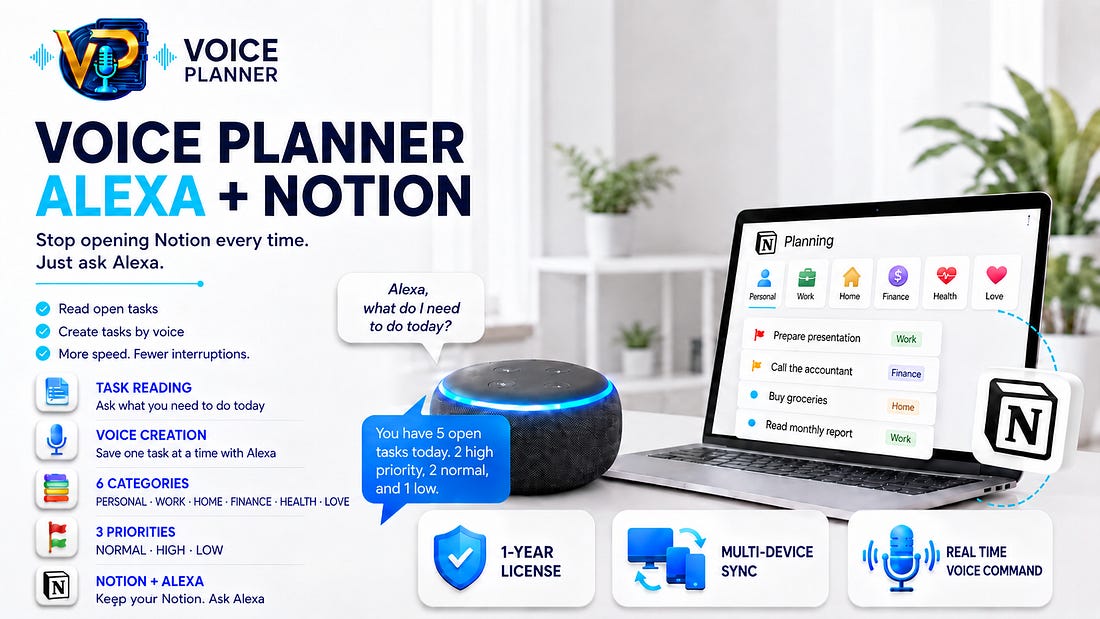
Voice Planner
Voice Planner connects Alexa to your Notion account so you can create, query, complete, and delete your tasks completely hands-free. You can create filtered task lists by adding dates, times, categories, and priorities, then simply ask Alexa what you need to do without having to open Notion every time. Take the stress out of task management, with Alexa, you can manage everything by voice. “Voice Planner is now also listed on Notion Marketplace and live on Product Hunt.” 🐈⬛ GitHub repos of the week
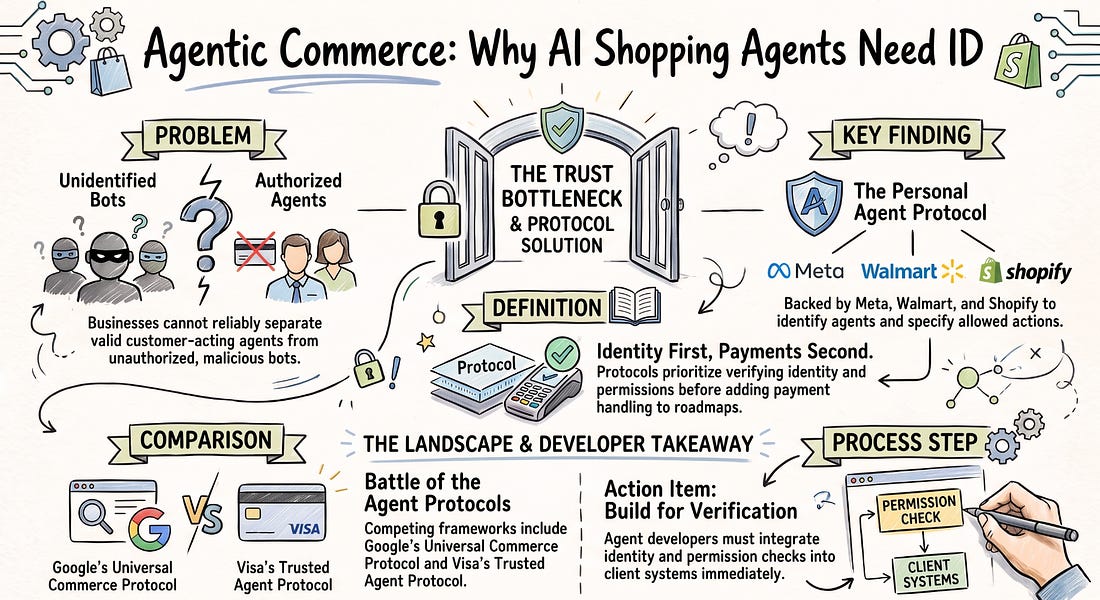
Meta, Walmart and Shopify Are Building a Checkpoint for Shopping Agents
Big Tech wants AI agents to show ID before they shop. On October 6, Meta and Sierra introduced the Personal Agent Protocol, an open standard that lets a business tell which agent is acting for a customer and what that agent is allowed to do. Walmart, Shopify, Stripe, Genesys, Rocket, and Instinct are backing it, and a v0.1 spec is promised later this month. The timing makes sense because agents are starting to buy things on our behalf, and businesses have no reliable way to separate an authorized agent from an unidentified bot. It’s still early. This isn’t an industry standard yet, and it competes with Google’s Universal Commerce Protocol and Visa’s Trusted Agent Protocol. Notice that, like Amex’s framework, the first priority is identity and permissions, with payments still on the roadmap. Whoever sets the rules for agent trust will shape agentic commerce more than whoever builds the best agent. If you build agents for clients, plan for identity and permission checks now. Tweet of the Day… I mean X of the Day
🚀 Showcase Your Innovation in the Premier Tech and AI Newsletter (link) As a vanguard in the realm of technology and artificial intelligence, we pride ourselves in delivering cutting-edge insights, AI tools, and in-depth coverage of emerging technologies to over 55,000+ tech CEOs, managers, programmers, entrepreneurs, and enthusiasts. Our readers represent the brightest minds from industry giants such as Tesla, OpenAI, Samsung, IBM, NVIDIA, and countless others. Explore sponsorship possibilities and elevate your brand's presence in the world of tech and AI. Learn more about partnering with us. You’re a free subscriber to Yaro’s Newsletter. For the full experience, become a paying subscriber. Disclaimer: We do not give financial advice. Everything we share is the result of our research and our opinions. Please do your own research and make conscious decisions.
|