
🔥Two New Models, Three New Agents. What to Actually Use???Plus: The AI Autocrat and how Automating Power Creates a New Point of Failure
Greetings Everyone, I just got back from a mastermind in Tampa, where I had the privilege of spending time with a small group of sharp, resourceful entrepreneurs and business owners. We talked tech, the world, and family, and traded the tools and systems that are working in our daily lives and businesses. I follow tech and AI closely, but in that room I was easily one of the novices. I shared a few tools I use, but mostly I listened and absorbed what these minds are building. Here’s what stuck with me: 1. AI multiplies you, so pay attention to which you. Look closely at what you delegate and how you use it. Make sure the tech multiplies your strengths and assets, not your bad habits. 2. Build a system that’s fluid and expandable, then stick with it. New tools and shinier ways to run agents will launch every day. Jumping between them is taxing on your time and your brain, and it shows up in your bottom line. Pick a foundation you can grow, and make it work for you. 3. Get familiar with local models now. If something breaks, whether that’s an outage, a policy change, or a price hike, you’ll still have a model running at home or in your office. If you serve clients, you can keep serving them. I also expect cloud AI to get more expensive over time, and if the bubble pops, that dependency could slowly choke your business. That’s my opinion, not a certainty, but it’s worth having a backup plan. I brought back a lot of tools and tricks, and I’ll share them with you gradually. If you want to talk through any of it for your own business, get in touch. I look forward to hearing from you. In today’s issue:
📰 AI News and Trends
Two New Models, Three New Agents -What to Actually Use
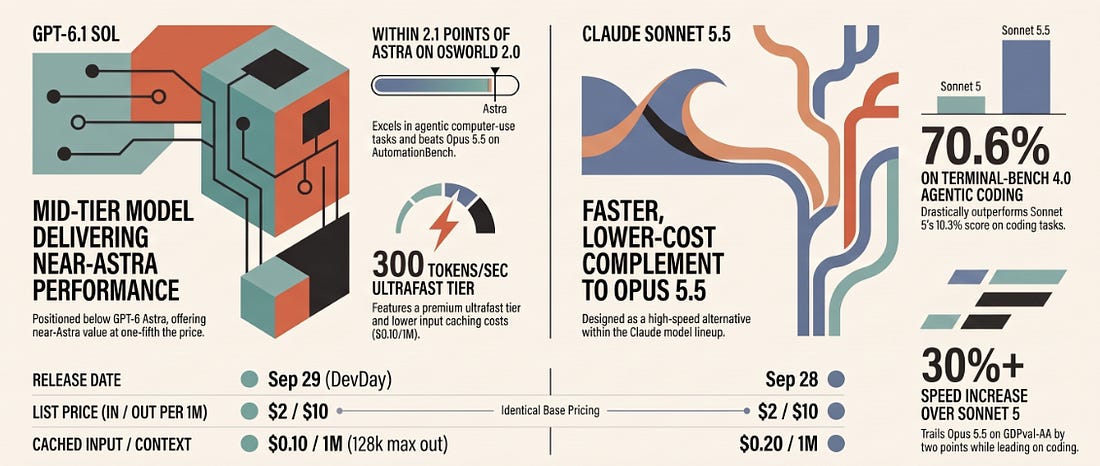
OpenAI’s GPT-6.1 Sol launched September 29 at $2 per million input tokens, $0.10 cached input, and $10 output. Anthropic’s Claude Sonnet 5.5 shipped a day earlier at the same $2/$10 list price. Its cache reads cost $0.20, double Sol’s, though Anthropic says it uses fewer tokens per task and costs up to 30% less than Sonnet 5. The headline claims favor different strengths. OpenAI says Sol beats Claude Opus 5.5 by 2.2 points on AutomationBench at about a third of the cost, which is a vendor-reported result against Opus, not Sonnet. Anthropic reports Sonnet 5.5 at 70.6% on Terminal-Bench 4.0, up from 10.3% for Sonnet 5. On one independent index at max effort, Sonnet 5.5 scored 56 while Sol scored 51.8. I would use Sol for high-volume automations with a long, fixed system prompt, since it is cheaper. Sonnet for coding and terminal-style agents. But effort settings can swing your bill more than the model choice does, so run your own 20 real tasks on both at medium effort and track cost per successful task.
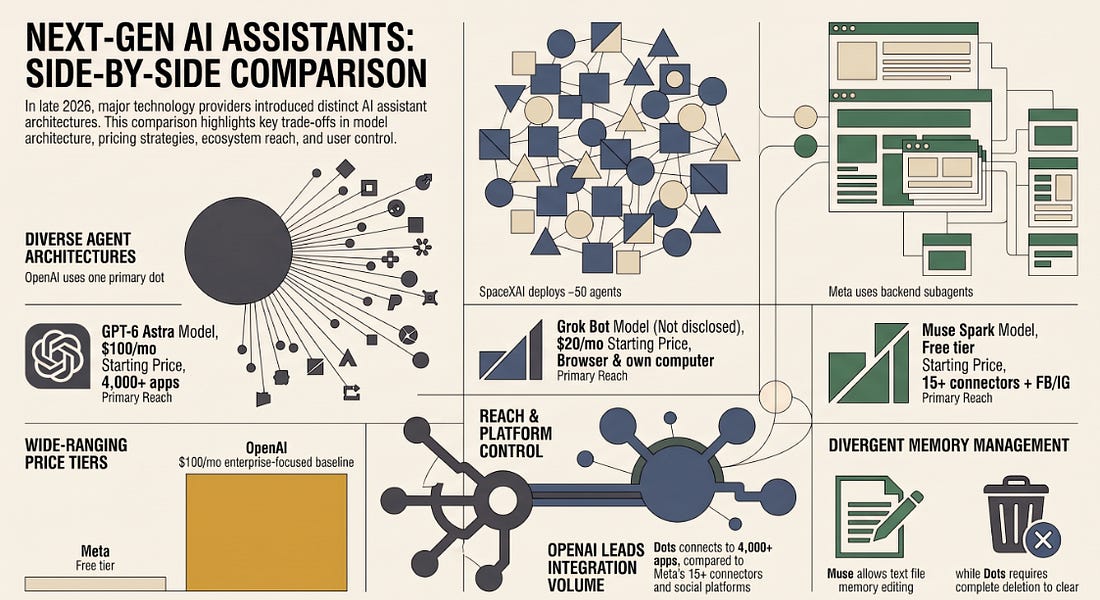
Agents: Dots vs. Grok Bot vs. Muse.The new race is chatbots becoming coworkers with their own computers. Dots is OpenAI’s always-on agent, announced at DevDay on September 29. It runs on GPT-6 Astra from $100/mo and promises background research with read-only defaults, plus a home in ChatGPT, Slack, and Teams. Grok Bot is the only one of the three that lets you run several named agents today, and starts at $20/mo for individual accounts. The tradeoff is that it signs in to your apps as you, with your full permissions. Muse is Meta’s free option, best for errands and shopping, and you can text it on WhatsApp. The bigger story is governance. These agents reach employees through personal subscriptions instead of a security review, so before pointing one at client accounts, scope its credentials and keep a human on the exceptions. 🧰 AI Tools of The DayThe Agents Moved Into Your StackOpenAI DevDay, Meta’s small-business push, and a Sonnet refresh all landed within 72 hours. This week’s theme is agents that plug into tools you already pay for. Here are five you can put to work today. 1. Meta Muse for Small Business - Meta’s agent, launched Sep 29 and hit #1 on both US app stores, with 2.5M downloads in 13 days, now connects to HighLevel, Klaviyo, Shopify, Stripe, QuickBooks, and Canva, as well as your Instagram, Facebook Pages, and Meta ad accounts. For an SMB, that’s an ops assistant that already knows your ad data, and it’s free to start. You can use it by connecting Klaviyo (or other accounts) and your Meta ad account, then ask: “Which flows drove revenue in the last 30 days, and where did ad spend leak?” Muse won’t publish, send, or spend without your approval (as of now). 2. Clueso MCP - Create and edit product videos from inside Claude, ChatGPT, Gemini, or Cursor. It turns a raw screen recording into a polished demo with voiceover, captions, and zooms, all through chat. It was the #1 product in the Product Hunt AI digest on Sep 24 (531 votes) and reached 586 for the week. MCP access is included on the free plan. 3. Databox MCP Connectors - Pulls context from HubSpot, Slack, Notion, Semrush, Klaviyo, and Ahrefs. When you ask “why did leads drop?”, the answer includes the CRM notes, not just a chart. Agencies can connect HubSpot and Semrush, then draft each client’s monthly performance narrative with one prompt. The connectors need a Team plan. The AI Autocrat and how Automating Power Creates a New Point of Failure
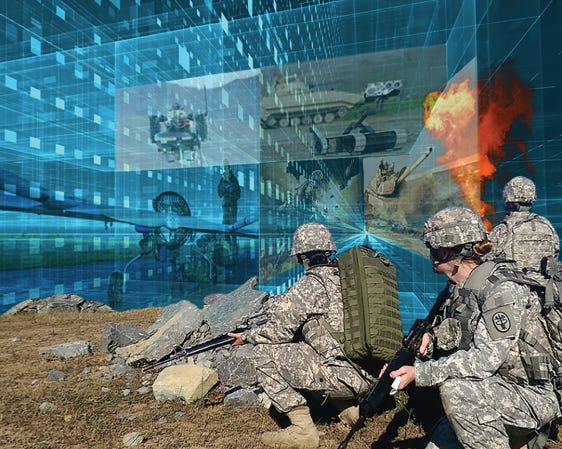
In a Foreign Affairs piece published October 1, political scientist Seva Gunitsky and security technologist Bruce Schneier (both University of Toronto) argue that AI gives dictators a tempting fix for an old problem: they need subordinates to run the state, but subordinates can leak, steal, shirk, or plot. AI offers two escapes. It can monitor officials in real time, flagging changes in an official’s spending or schedule without human informants. It can also replace human intermediaries outright, from censors to bureaucrats. China is furthest ahead, with algorithmic oversight of local officials and bots replacing paid online commentators. Russia scans huge volumes of images for banned content, runs facial recognition across Moscow, and has even fielded AI-generated news anchors. The UAE is using AI to draft laws and plans to hand a large share of government operations to AI agents. The authors’ counterpoint is that a self-running state is an illusion. Every AI system depends on a small group of engineers who build and maintain it, and rulers can’t evaluate their work. Those engineers decide what the ruler sees, what gets flagged, and who gets targeted. They are also hard to replace and far fewer in number than the generals or officials they displace. AI may help autocracies in the near term, but the more a regime depends on it, the more it depends on the people running it. Additionally, delegating the use of atomic weapons or any weapon that can damage innocent humans as well as autonomous weapons that can go rogue is not something to take lightly. Automating an inbox, mat not kill someone, but automating a bomb is completely different. Automating your operations doesn’t remove the need to trust people. It concentrates that trust in whoever builds and maintains the system, so know who they are and keep documentation and access under your control. 🐈⬛ GitHub repos of the weekToday’s GitHub Trending reads like an agent parts list.
The agent stack is going modular. Voice, memory, and security are becoming open, swappable layers. Builders who wire them together win the next 12 months. 🚀 Showcase Your Innovation in the Premier Tech and AI Newsletter (link) As a vanguard in the realm of technology and artificial intelligence, we pride ourselves in delivering cutting-edge insights, AI tools, and in-depth coverage of emerging technologies to over 55,000+ tech CEOs, managers, programmers, entrepreneurs, and enthusiasts. Our readers represent the brightest minds from industry giants such as Tesla, OpenAI, Samsung, IBM, NVIDIA, and countless others. Explore sponsorship possibilities and elevate your brand's presence in the world of tech and AI. Learn more about partnering with us. You’re a free subscriber to Yaro’s Newsletter. For the full experience, become a paying subscriber. Disclaimer: We do not give financial advice. Everything we share is the result of our research and our opinions. Please do your own research and make conscious decisions.
|






No comments:
Post a Comment