Hope this first week of the new year is going well for you! In today's Gist, we'll cover three money topics you've asked about:
INVESTINGHow should you deal with a major market downturn?
Have you heard of Jeremy Grantham, a legendary investor and founder of investment firm GMO? Well, he's warning us of an "epic bubble" in his article, Waiting for the Last Dance. He goes on to say that the decade long bubble has fully matured and that "extreme overvaluation, explosive price increases, and hysterically speculative investor behavior will be recorded as one of the great bubbles of financial history..." So, OK. Even if he's right, what should you do about this? If you're already invested, stay invested. Selling on fear and panic won't get you where you want or need to be! Market timing doesn't work most of the time. As Coach Bradley put it, if you invested $10K in the S&P 500 from Jan 1, 1999 to Dec 31, 2018, your investment would be worth $29,845 if you stayed fully invested. If you missed the top 10 days of performance over this 20 year period, your account would be worth $14,979. If you missed the top 30 trading days over this period, your account would be worth $6,316. Coach Ilene also shares that radical moves in portfolios almost always end up being a mistake. It's better to make small tweaks, prepare for a potential drop (which usually corrects decently) and be ready for new opportunities. As businesses change, we can then begin to identify those companies that will be better poised to grow. The market is like a roller coaster... If you buckle up and ride it out, you will most likely end up fine. But if you try to hop in or out of it while it's twisting and turning... well, good luck to you! If you're uncertain about the future but want to keep investing, go with Coach Vineet's suggestion to dollar-cost average. That means to contribute a set amount of money on a regular (e.g., weekly, monthly) basis into your portfolio, regardless of market conditions. It's a simple way to make consistent contributions into an investment account without trying to predict when the market's going up or down. Follow the discussion on Finny.
FEATUREDHow do you learn about the latest in alternative assets?
There are a million newsletters about stocks and venture capital. Stefan Von Imhof's newsletter Alternative Assets is about the world of investment options that don't get talked about as much — with a focus on digital assets, websites, and micro private equity. Besides the newsletter, Stefan also runs a podcast and data analytics service for alternative investments. Every week, Stefan dives into a different alternative asset. Past issues include investing in classic cars, farmland, billboards, even newsletters themselves. There’s a world of opportunity out there. Explore it. MONEY TIPSHow do you figure out what "extras" are worth buying?
As we all start 2021 with fresh ideas on how to set and meet financial goals, don't forget to factor in expenses! Especially those "extras" or nice-to-haves. So then how do you figure out what "extras" are really worth buying? Here are a few practical tips from the Finny community:
Contribute to the discussion on Finny.
That’s it for today’s edition. If you’d like to sign up and never miss a single issue, you can do so here. The Finny Team
If you liked this post from Finny: The Gist, why not share it? © 2021 FinnyNL Unsubscribe
|
Thursday, January 7, 2021
Does the stock market bubble burst in 2021?












Tuesday, January 5, 2021
How to put your finances on auto-pilot in 2021
Welcome to the first edition of the revamped Gist for 2021! First of all, we wish you all a wonderful New Year—and hope it will bring you back all the things you missed in 2020. Happy hours, live games, and beach vacations... may they all come back! This new, revamped Gist will focus on just three things: helping you make more money, save more and be your own boss! If this is of interest to you, please make sure The Gist always arrives into your inbox. If you find it in your Spam or Promotions folder, please drag it to your Primary folder and mark it as important. If you're a Finny member, you will receive The Gist twice a week: every Tuesday and Thursday. If you enjoy reading it and think your friends and family would benefit from it, please invite them to join Finny. Enough housekeeping for now. For today, let's talk about three main topics you've asked about:
PERSONAL FINANCE AUTOMATIONAutomation is your new BFF in 2021
As Frederico Garcia Lorca once said, "besides black art, there is only automation and mechanization." But how do you automate personal finances? Here are a few ideas Finny community members suggested:
The key here is to start with one or two of these ideas and keep adding as you get more comfortable.
THE MAINSTREAMING OF ALTERNATIVE ASSETSWhat are alternative assets? Why are they trending?
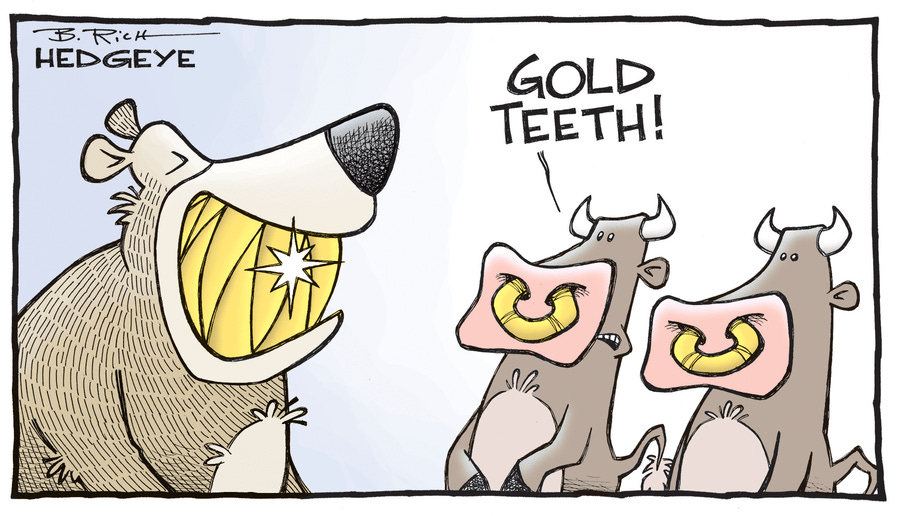
Simply put, alternative assets are any non-traditional assets that aren't cash, stocks, and bonds. The alternatives industry is expected to grow nearly 60% by 2023 to reach $14 trillion in assets, according to alternative data provider Preqin. Why do people care about alternative assets? For one, alternatives tend to behave differently than typical stock and bond investments, providing broader diversification. Because they carry higher risk profiles than their stock and bond counterparts, they may provide enhanced or more generous returns. They also have direct exposure to investments that have a long track record of gains during inflationary periods. Alternatives include investments such as precious metals (ahem... gold teeth anyone?), hedge funds, private equity, cryptos, and even collectibles, like wine, vintage cars, or basketball cards to name a few. Because they are unconventional and often times illiquid, it can be a challenge to place a value on an investor's alternative asset holdings. Despite those risks, the "mainstreaming" of alternatives is well underway thanks to better transparency and easier access. And there appears to be a fast-growing world of opportunity in alternatives. Here are some examples:
SAVING AMIDST COVID-19How to save more during the pandemic
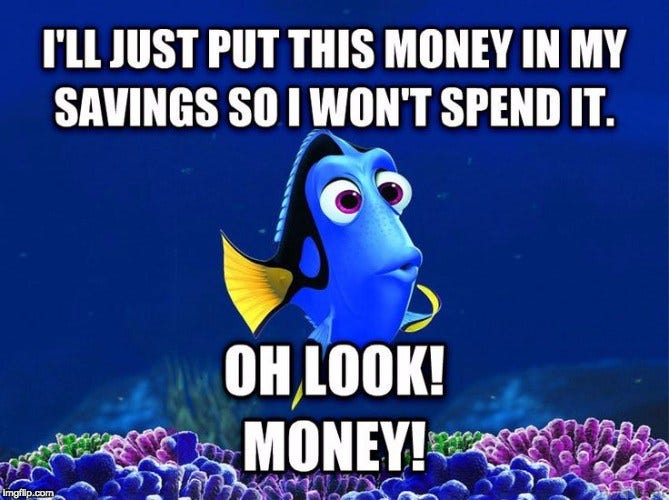
Saving amidst COVID-19 has been challenging for many people; however, there are some new ways to save more money. Some expenses have virtually disappeared (e.g., dining out) and others have gone up. Did we mention childcare? As always, start with things and subscriptions you don't need or use. If you're not on top of your bills and need help negotiating your subscriptions, there are services like Truebill that help you cut down your spending. With home rental prices plummeting, it may be a good time to negotiate your rent. Most people don't realize negotiating rent is an option. Just because you have to pay rent doesn't mean you can't negotiate a great deal and save some cash. Research comparable rentals in your market, don’t forget to factor in amenities (like parking, pool), and time your negotiations. It's a renter's market right now. Insurance is another bucket that you should look into carefully. In particular, car insurance—expect to pay less as you're driving less. With home insurance, it's a mixed bag—prices are going up in some parts of the country due to natural hazards. When your insurance is up for renewal, you can use auto and home comparison shopping services like Insurify (a Finny community favorite) to find the best possible price.
That’s it for today’s edition. If you’d like to sign up and never miss a single newsletter, you can so here. The Finny Team
If you liked this post from Finny: The Gist, why not share it? © 2021 FinnyNL Unsubscribe
|




Saturday, December 12, 2020
Important policy changes for Google Account storage
|